

With real estate costs rising, tectonic shifts in work patterns post-pandemic, and a tighter focus on operational efficiency, organizations today are forced to reassess one of their highest fixed costs: workspace. In 2026, the question is not merely “Where do we work?” Instead, it’s, “How much are we really paying to work here, and is it worth it?”
Whether you’re a fast-growing startup, an SME looking to manage burn, or a large-scale corporation optimizing real estate across cities, this guide lays down the real cost of choosing coworking vs traditional office. It also shows why the numbers are rising in favour of flexibility.
Key Takeaways
- Leasing a traditional office carries significant upfront CapEx before a single employee sits down
- Coworking spaces offer predictable monthly pricing with zero setup overhead
- Hidden costs in office space for lease routinely inflate total expenditure by 30–50%
- Flexible workspaces reduce financial risk and improve scalability for growing teams
- Managed and coworking solutions are now the default workspace model for forward-thinking businesses in 2026
Understanding Office Leasing Costs in 2026
Traditional office space for lease operates on a model that hasn’t fundamentally changed in decades, even as the workforce has. You sign a long-term agreement (typically 3 to 9 years), take on bare-shell or semi-furnished space, and absorb all associated costs: interiors, IT, utilities, facility management, and operations.
The financial exposure starts before Day 1. By the time your team walks in on the first morning, you’ve already spent significantly on fit-outs, furniture, networking infrastructure, security deposits, and compliance setup. For many businesses, this pre-operational investment runs into crores.
Major Costs Involved in Leasing Office Space
| Cost Head | What It Covers |
| Security Deposit | 6–12 months of commercial rent, paid upfront |
| Interior Fit-Out | Civil work, flooring, false ceiling, lighting |
| Furniture and Fixtures | Desks, chairs, cabins, and meeting room setups |
| IT Infrastructure | Servers, cabling, networking, secure Wi-Fi |
| Utilities Setup | Power backup, electricity, water, housekeeping |
| Facility Management | Staff, security, maintenance contracts |
The Hidden Costs of Traditional Office Leasing
Rent is merely the beginning. What standard leases rarely spell out up front includes:
- Annual rent escalation clauses
- Repair and maintenance
- Unused space costs
- Legal & compliance fees
- Downtime losses
Consider leasing 3,000 sq. ft. of office space in prime commercial locations such as ORR, Bengaluru, or BKC, Mumbai. This could mean a huge outlay before operations start. Usually, a business has to plan for:
- Fit-outs & Interiors: Cost of standard furnishings like workstations, partitions, flooring, lighting, and false ceiling could be around INR 1,500 to 3500 per sq. ft. in prime metro locations in 2026. For 3,000 sq. ft., it could be around INR 45 lakh to 1.05 crore, depending on the specifications and location.
- Furniture & Workspace: Ergonomic desks, chairs, cabins, conference room setup, etc., will cost around INR 15 to 25 lakh for an office of this size.
- IT Infrastructure: Setting up of servers, structured cabling, networking and Wi-Fi on secure mode will cost you anywhere between INR 8 to 15 lakh.
- Security Deposit (minimum 9 months): This is where ORR & BKC differ sharply. The cost of renting an office space near ORR Bengaluru is Rs. 100 to 150 per sq. ft., meaning the security deposit is Rs. 27 to 40 lakh. When it comes to establishing a traditional office in BKC Mumbai, it commands around INR 250 to 400 per sq. ft. per month. Well, the same 9-month deposit there is Rs. 68 lakh to 1.08 crore.
- Operational Setup and Utilities: Internet, power backup, maintenance, and basic branding costs nearly INR 5 to 10 lakh.
This concludes that to establish a 3000 sq. ft. office space in a prime business location like ORR Bengaluru or BKC, Mumbai, the total pre-operational outlay is as follows:
| Estimate | ORR, Bengaluru | BKC, Mumbai |
Conservative Estimate | ~₹1 crore | ~₹1.6 crore |
Premium Spec | ~₹1.9 crore | ~₹2.5 crore |
None of this includes monthly rent and salaries.
What Is a Coworking Space & How Does Pricing Work?

A coworking space is a shared, fully-equipped, flexible work environment where people and teams from different companies work independently or together under one roof.
Types of Coworking Plans
The different types of coworking plans include:
- Hot Desking: Flexible seating in open, collaborative workspaces; ideal for remote workers, hybrid workers, and freelancers.
- Dedicated Desks: Fixed personal workspaces in shared work environments
- Private Offices: Fully-furnished offices in a shared environment; suitable for startups or small businesses
- Enterprise Workspace Solutions: Custom office solutions for large enterprises or corporate teams
What is Included in Coworking Space Pricing?
When you pay for a coworking membership, it doesn’t just include the cost of a desk; it actually includes the cost for a fully operational workplace. Coworking space for startups or SMEs not only provides you access to the desk, but it also gives you access to amenities, including:
- High-speed internet and IT infrastructure
- Meeting rooms and conference facilities
- Housekeeping & reception services
- Common areas, lounges, & breakout zones
- Power backup, utilities, &facility management
- Flexible scalability
The cost savings from switching to a coworking space vs a traditional office setup in India are typically between 35% and 60%. At the lower end, that’s still a substantial reduction in monthly outflows.
Furthermore, flexible office space vs lease isn’t just a lifestyle comparison. In fact, it carries a real financial burden. A traditional office space for lease in India typically runs 3 to 9 years. Breaking it early attracts penalties. Not just that, scaling up or down requires renegotiating, paying for empty desks at times, or finding additional space when expanding.
On the contrary, ready-to-move workspaces in India are often renewable on a monthly or annual basis. A team that goes from 15 to 30 people can add seats within days, or a business thinking of shrinking the team can downsize when needed without penalty. Moreover, all of that includes minimal deposit requirements, fully managed office infrastructure, access to premium amenities, faster setup, enabling businesses to scale up or down whenever needed, without any operational hindrances.
Coworking vs. Traditional Office Leasing: Quick Comparison
| Factor | Coworking / Managed Office | Traditional Office Lease |
| Initial Investment | Low – Minimal to zero | High – ₹50L to ₹1.5Cr+ upfront |
| Setup Time | Immediate | 3 to 6 months setup time |
| Flexibility | Monthly/Annual membership | 3 to 9 years of lock-in |
| Deposit Requirement | 1-3 months | 9-12 months |
| Operational Management | Fully managed | Tenant’s responsibility |
| Amenities Included | Yes (all-in pricing) | Extra costs (Self-managed) |
| Best For | Startups, SMEs, Hybrid Teams | Large enterprises with stable headcount |
| Cost Predictability | High | Low (escalations, repairs, downtime) |
Location-Specific Cost Breakdown
In India’s metro cities, traditional offices for lease cost INR 140 to 310 per sq. ft. per month all-in. Whereas a dedicated seat at a coworking space in such cities costs INR 6,000 to 15,000. Pricing heavily depends on the location. Therefore, below is the location-wise cost breakdown. Take a look!
Mumbai
- Traditional Office Leasing Reality
Commercial office rents in premium hubs like BKC, Lower Parel, and Andheri East range from INR 130 to 250 per sq. ft. per month, with 9 to 12 months security deposits and heavy fit-out requirements. For a 50-person office, total annual occupancy costs, including lease, ops, and amortised setup, can exceed INR 1.5 crore to 2 crore.
- Flexible Workspace Alternative
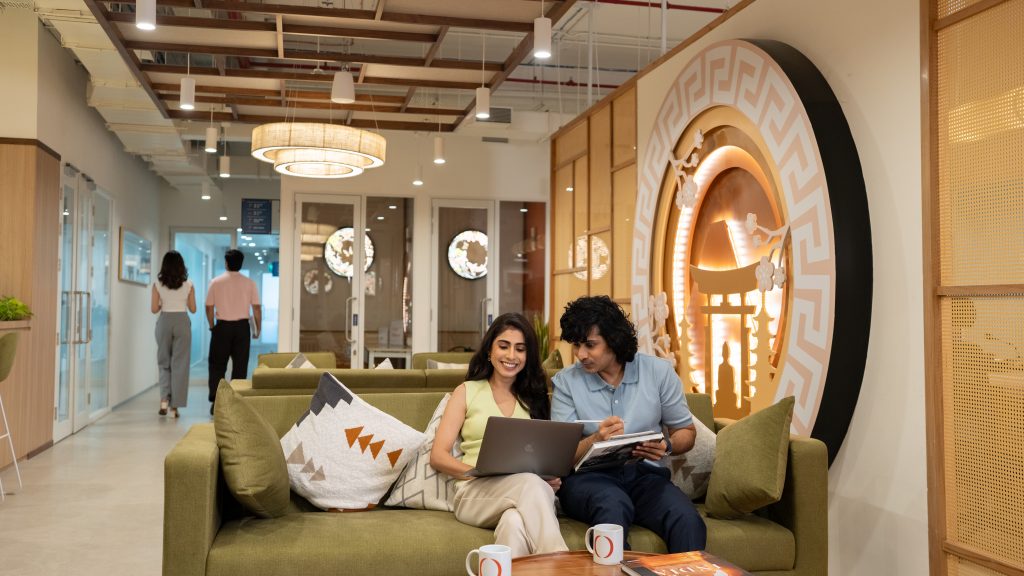
COWRKS centres in Mumbai offer businesses a premium corporate address with ready-to-move workspaces and enterprise-grade amenities, eliminating the setup burden.
Bengaluru

- Traditional Office Leasing Reality
Bengaluru’s prime corridors like Outer Ring Road, Whitefield, and Koramangala command ₹80 to ₹150 per sq. ft./month, with significant variation based on grade and amenities. A 30-person leased office in a Grade A building for a team of 30 people can easily require ₹60 to ₹80 Lakh in pre-operational investment.
- Flexible Workspace Alternative
COWRKS coworking spaces in Bengaluru offer scalable private office coworking space in the city’s key business districts, with no fit-out timelines and predictable monthly costs.
Hyderabad
- Traditional Office Leasing Reality
Commercial office rent in Hyderabad’s HITEC City and Gachibowli ranges from INR 60 – 120 per sq. ft. per month. Traditional leases in these corridors still demand 6 to 9-month deposits.
- Flexible Workspace Alternative
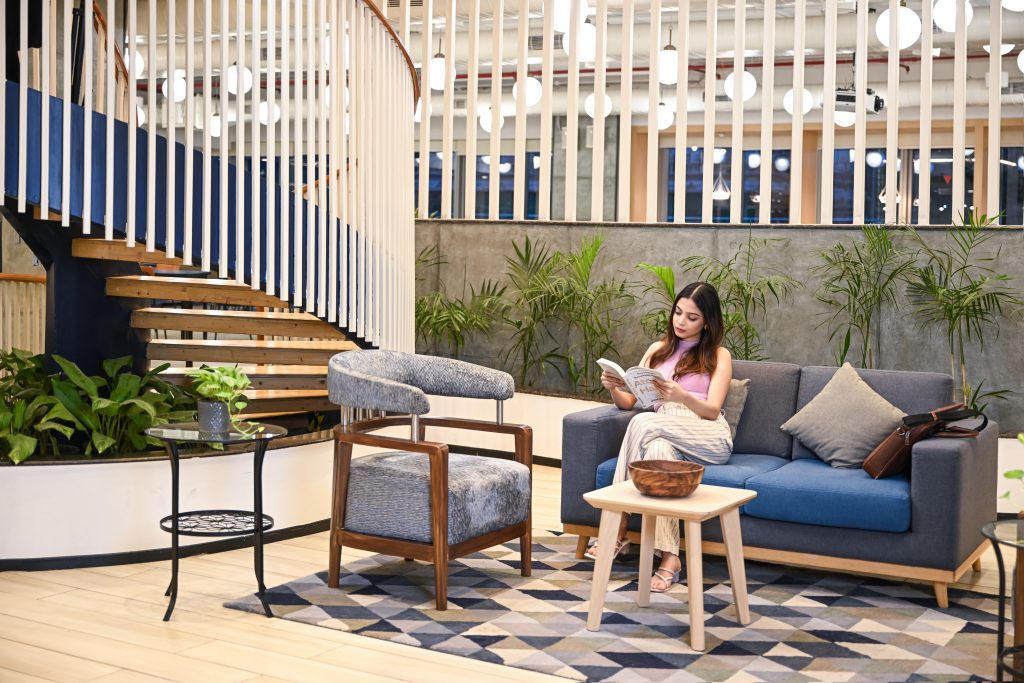
COWRKS in Hyderabad provides ready-to-use premium workspaces with flexible terms perfect for both growing startups and large enterprises.
Pune
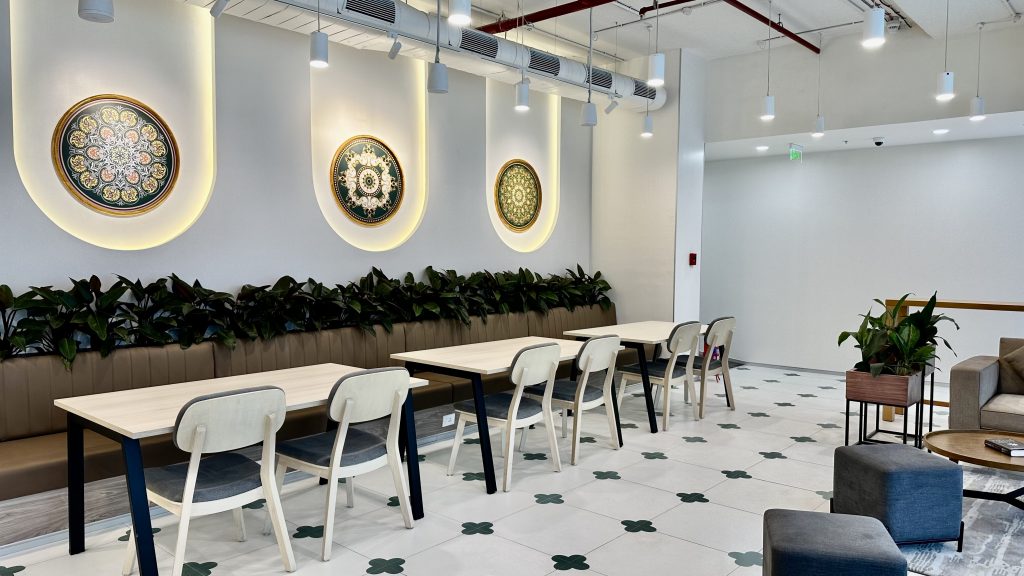
- Traditional Office Leasing Reality
Baner, Hinjewadi, and Kalyani Nagar in Pune are the high-demand zones for corporates, with rents at INR 55 to INR 100 per sq. ft./month.
- Flexible Workspace Alternative
COWRKS in Baner, Pune, enables businesses to access a fully managed workspace in these corridors without locking capital into long-term infrastructure.
Chennai
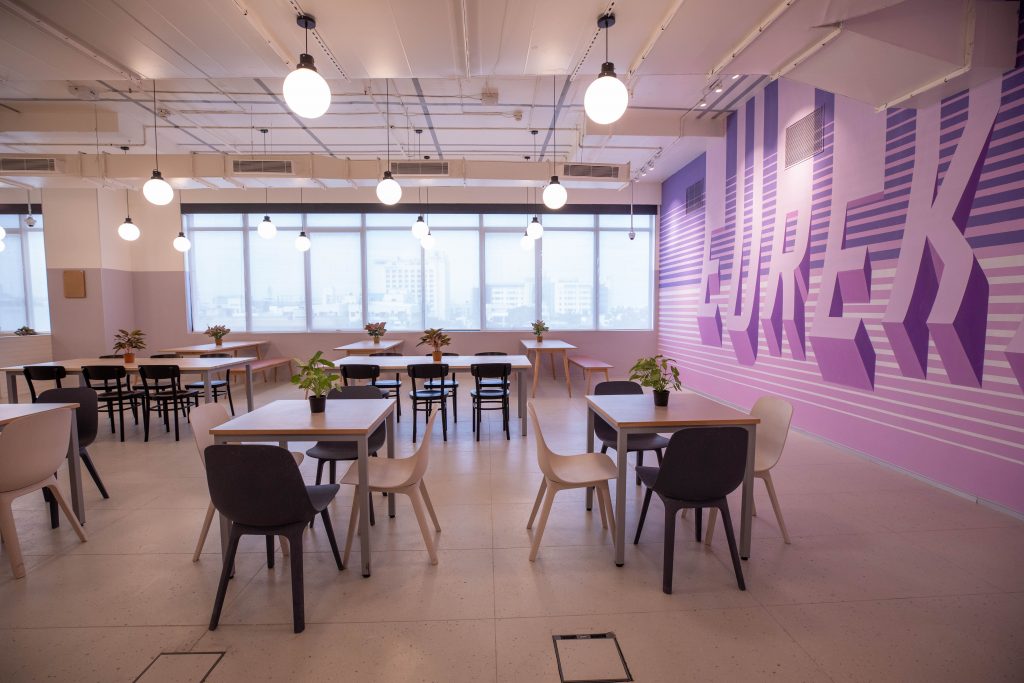
- Traditional Office Leasing Reality
Chennai’s OMR and Guindy command ₹55 to ₹90 per sq. ft. per month. Fit-out expectations in the city’s commercial market are high, with most Grade A landlords offering bare-shell spaces.
- Flexible Workspace Alternative
COWRKS Chennai removes this entirely. Teams can be operational from Day 1.
Why Coworking Spaces Are Becoming Cost-Effective in 2026
Coworking spaces are one of the most ultimate and economical office alternatives in 2026 for modern organizations. Three main structural changes are behind this widespread transition:
- Lower CapEx: Coworking removes the hurdle to establishing an office: the upfront capital expenditure (CapEx). This contemporary manner of working allows businesses to put crores of frozen deposit and fit-out money into revenue-producing activity instead.
- Flexibility in Workspace Cost Benefits: In 2026, hybrid is the new way of work in India, and such teams don’t require 100% occupancy daily. With typical leases, you pay for it regardless; with coworking, you pay for what you use.
- Superior Employee Experience: Premium coworking spaces like COWRKS offer premium amenities such as collaborative zones, wellness spaces, etc., that are significantly more expensive to replicate in a standalone leased office, thus providing an enhanced employee experience at no additional cost.
Why Businesses Choose COWRKS for Flexible Workspace Solutions

COWRKS provides premium coworking and managed office spaces across the top business hubs of India, including Mumbai, Bengaluru, Delhi-NCR, Hyderabad, Pune and Chennai. COWRKS caters to: Startups, SMEs and Enterprise teams.
- Managed, private office coworking space
- Flexible workspace options like day passes
- On-demand access to meeting rooms and business lounges
- Predictable operating costs
- Scalable infrastructure
Explore workspace solutions for today’s hybrid teams.
Conclusion
The data in this budget guide makes one thing clear: traditional office leases are no longer viable for agile businesses. Furthermore, when choosing between traditional and coworking spaces, businesses must evaluate the total occupancy cost rather than just the base monthly rent. Traditional leases demand heavy upfront capital, whereas coworking spaces lower the financial barrier by bundling all overhead and infrastructure costs into a single monthly or annual subscription.
In a nutshell, moving to a flexible workspace is the most sustainable financial decision for businesses. Not just this model eliminates cash drain, provides instant agility, and removes operational friction, it also allows businesses to invest in what truly drives growth.
FAQs About Coworking Space & Office Space Leasing Costs
What are the hidden costs of leasing office space?
Annual escalation clauses (5–15%), repair and maintenance liabilities, unused space costs, legal and compliance charges, and fit-out amortisation.
Is coworking cheaper than leasing an office in 2026?
Yes, for most businesses, especially those under 100 seats or operating hybrid models, as it eliminates upfront CapEx, operational overhead, and delivers predictable monthly costs.
What is included in coworking space pricing?
High-speed internet, utilities, housekeeping, reception services, meeting room credits, common area access, and facility management.
Is coworking better for startups than traditional offices?
Yes. It offers startups critical advantages such as zero setup time, minimal capital commitment, flexible contracts, and premium addresses without the overhead.
What type of businesses should lease office space?
Large enterprises with stable, long-term headcount requirements and specific build-out needs.
Are coworking spaces cost-effective for hybrid teams?
Yes. Given that hybrid teams use office space 2–3 days a week on average, paying for a full-time lease on that utilisation pattern is inefficient.
How flexible are coworking memberships compared to office leases?
Most coworking operators offer monthly, quarterly, and annual contracts versus the 3–9 year lock-ins typical of commercial leases.